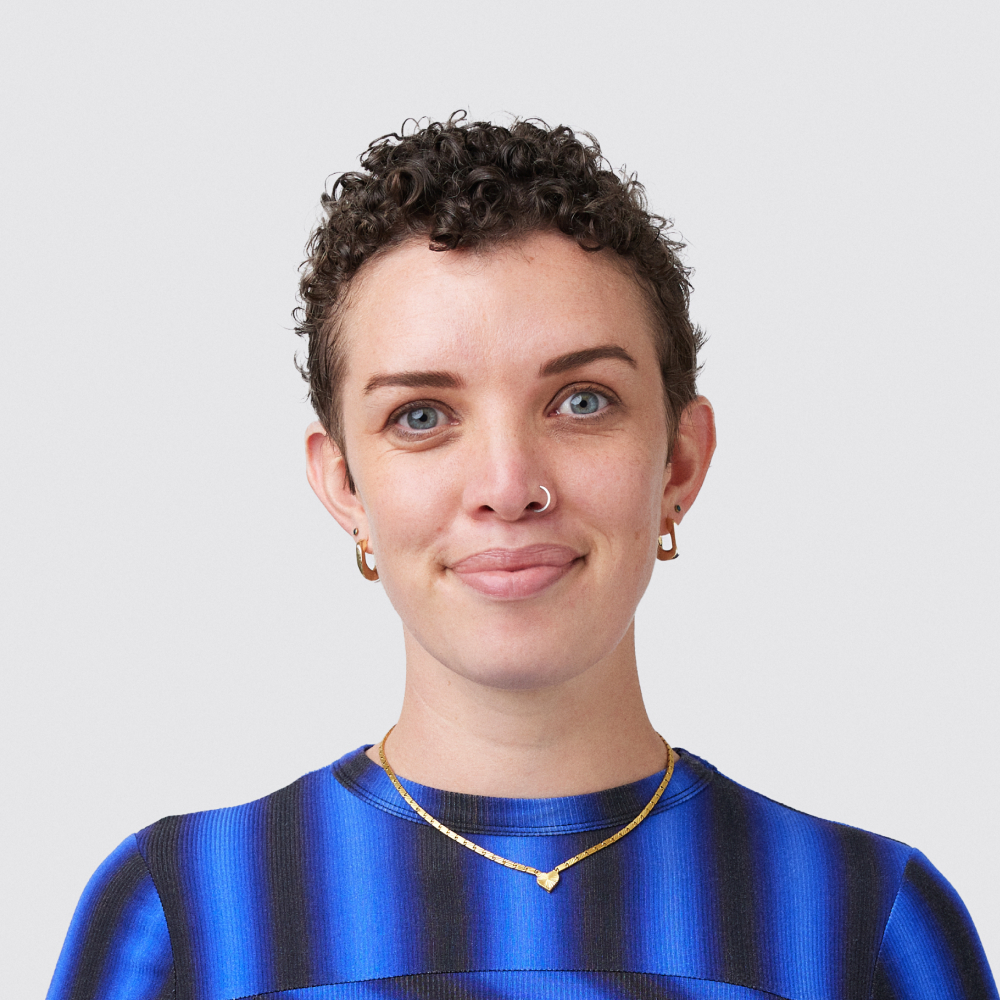
Chewie, Content Creator, she/her
Josh (Juniper Care), Musician, he/him
Isabel (bbsanii), Producer, Musician, DJ, she/her
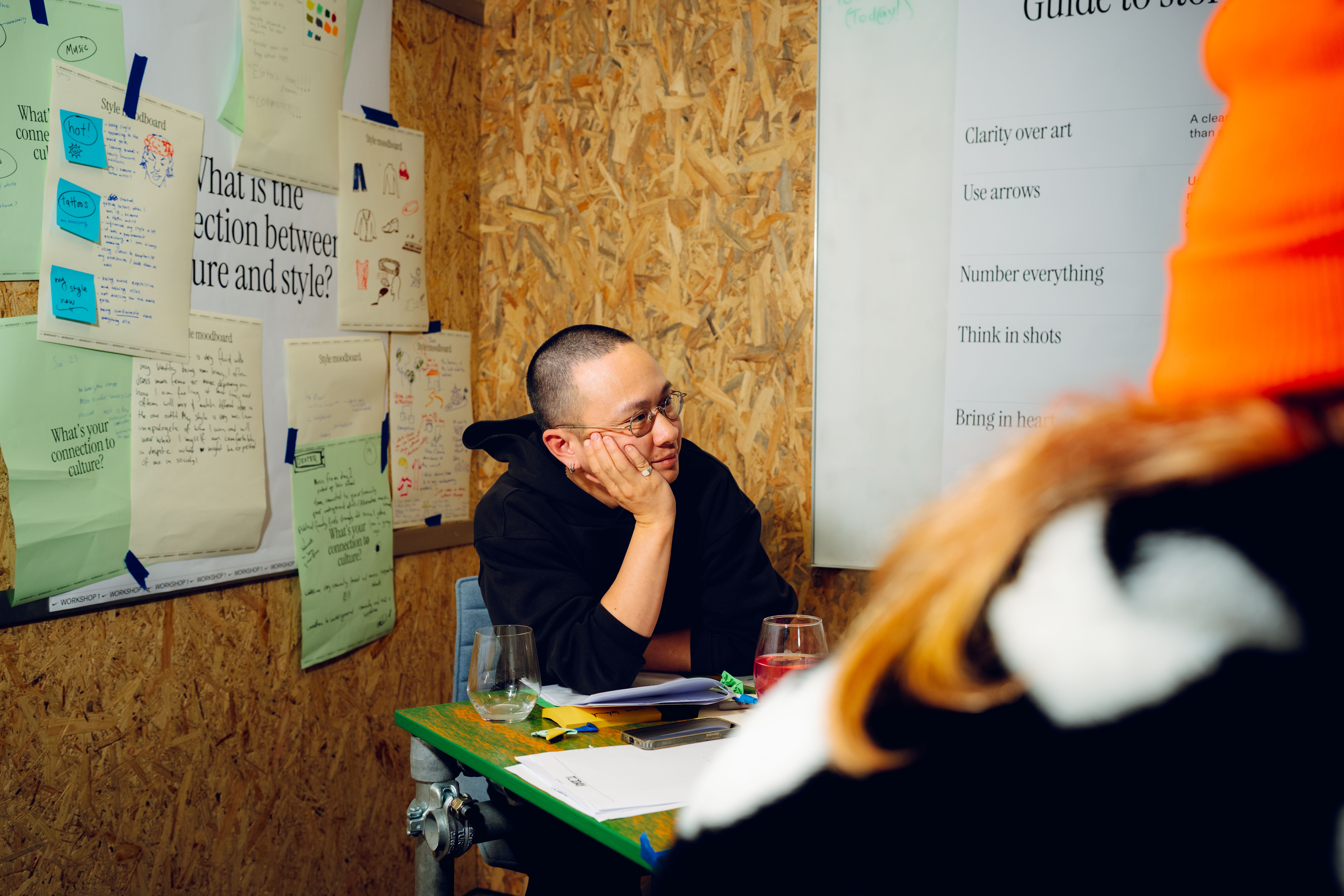
Hunter Lee, Senior Strategic Designer, Today, he/him
What does it mean to be a maker of culture and content right now? We sat down with three young Melbourne-based creatives—musician Josh (Juniper Care), producer and DJ Isabel (bbsanii), and content creator Chewie (Chuyun Smith)—to find out.
Across forty-five candid minutes, the conversation moved from cultural responsibility and the influencer economy to power, platforms and the future of the internet itself. They pushed back on the maxing mentality, reframed social media as a landlord we’re all renting from, and made a strong case that the youth—not the people in power—are the ones shaping what comes next.
Meet the makers
Juniper Care: I’m Josh—professionally and culturally known as Juniper Care. I’m a musician. I grew up in Hong Kong, I’ve been in Melbourne for a while, I studied architecture and left because it’s a system I disagree with. Music is for everyone—we’re all equal on the dance floor. I make music under Juniper Care. I also create visual art and write books.
Chewie: I’m Chewie, I’m a content creator. I have an Asian-Australian and American audience. I’m from Tassie, and I moved to Melbourne to study. I graduated from RMIT in Media and Comms last year, and now I’m working with different brands on partnerships. I’m also getting into a bit of acting.
Isabel: I’m Isabel, also known by my artist name bbsanii. I’m a producer, musician and DJ. That’s kind of all I do—making music all the time, playing gigs all the time. I’m releasing a new EP soon on a local label.
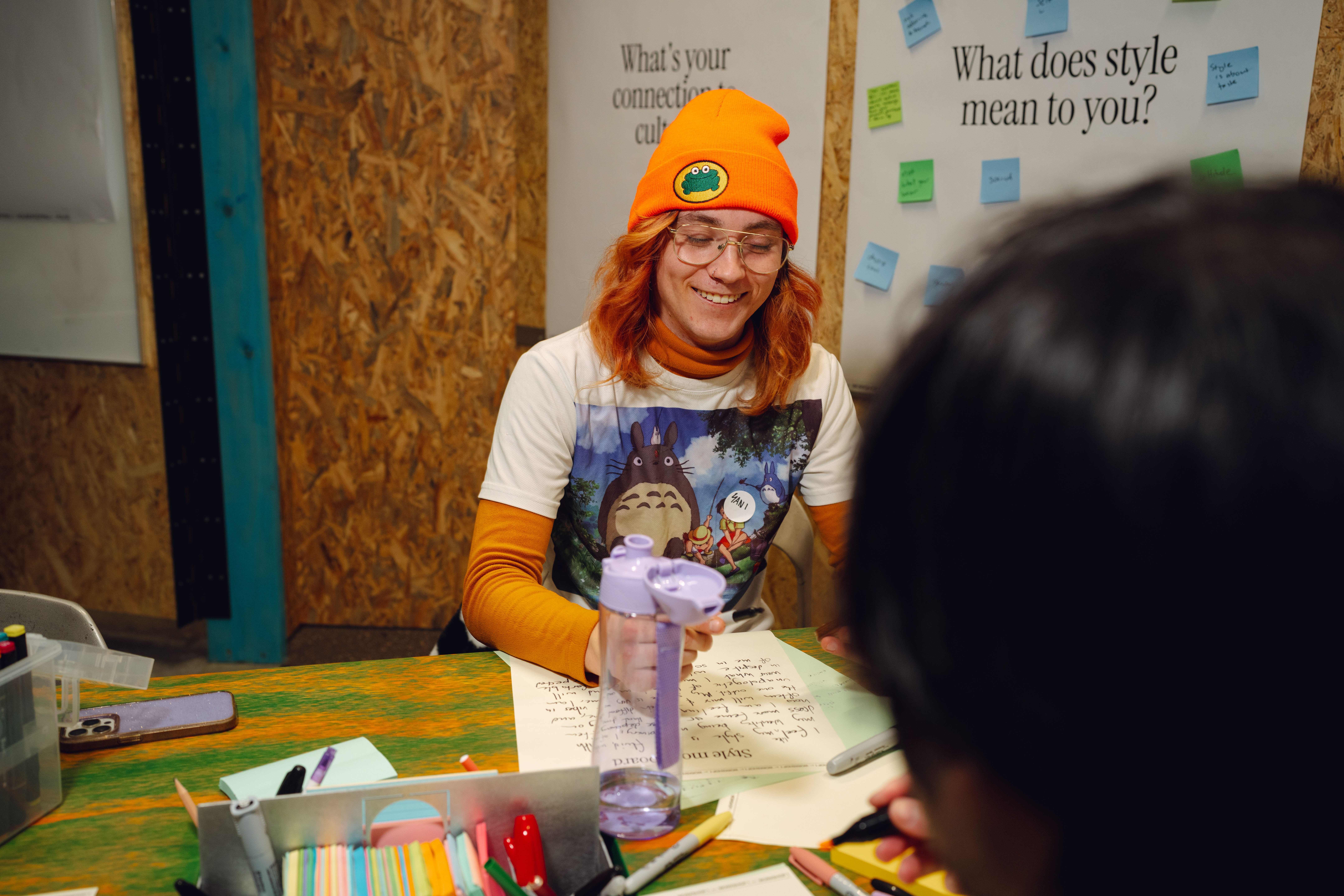
Isabel (bbsanii), Producer, Musician, DJ, she/her
Culture as responsibility
Hunter: What does it mean to be a maker of culture and content right now?
Isabel: I take it pretty seriously. I don’t know if “honour” is the right word, but there’s definitely a responsibility. I love studying different cultures and the timelines of how everything cross-pollinates. If I’m creating something, it’s not just—it’s deeper than that. You’re actively partaking in history. You’re contributing to something people will reference or be inspired by. That is a responsibility.
Chewie: Bouncing off that—we’re not just consuming, we’re paving a path for our audience in a way. With the recent Chinese New Year trend, white people were saying things like, “This is a very Chinese time of my life,” when they had no links to the culture. I jumped on TikTok and called it out—it’s not like I’m going to start doing Ramadan because I like it.
Hunter: What was the response?
Chewie: A lot of people agreed in the comments. Some said, “They’re just having fun.” But big influencers were being called out, taking posts down, and blocking people.
Juniper Care: Whether or not you actively think about culture the way we’re phrasing it now, we all have responsibility as human beings. You play roles—you’re someone’s son, someone’s friend, someone’s ex-boyfriend. The responsibility as an artist gets amplified as you grow because what you say is taken into a broader context. But I don’t think it’s an active thing—“I’m making culture right now, so I’m going to be responsible right now.” It’s something you should embody anyway.
Thrifting, idols and selling the self
Hunter: What do you think is trending now?
Juniper Care: What we wear is very telling of the times. The moment you see someone in long hair and a polo, it’s the 80s—that clicks instantly. We’ve never been in a more affluent material time in our lives. Here in Australia, we get access to everything. People get sick of it, saturated. That’s why thrifting and vintage culture took off. My older cousins wouldn’t have thrifted—it was seen as an indicator of social capital, of being poor. Now it’s cool. You can thrift vintage Margiela boots. It’s almost Ouroboros.
Chewie: I think there are a lot more influencers doing partnerships with different brands. People are realising the power of social media, and that if you have a personal brand, success is easier to obtain.
Juniper Care: UGC.
Chewie: Yeah—user-generated content. Kourtney Kardashian, with her vitamin gummies, made so much in sales because she got tens of thousands of people worldwide to try them. She didn’t have to do advertising. She didn’t even have to touch her product. She got creators doing user generated content to make her ads. They get to try her product in exchange for an ad. It’s a win win.
Juniper Care: People want to buy into the person. It’s not Coachella, it’s Justin Bieber’s Coachella. Hailey’s Rhode lip gloss—if it wasn’t Hailey Bieber, nobody would care. We have to tie it to the person. I used to date someone who’d talk to me about this kind of stuff. I asked her once—this was 2018, 2019 — “Do you think one day there’ll be AI musicians?” And she said, “No, because people still need a human to idolise.” And that’s the thing: I’m nothing unless I look up to someone. I want to be Hailey Bieber. I want to be Timothée Chalamet cool.
Isabel: With mainstream celebrity culture, you’re selling—the hope is the product.
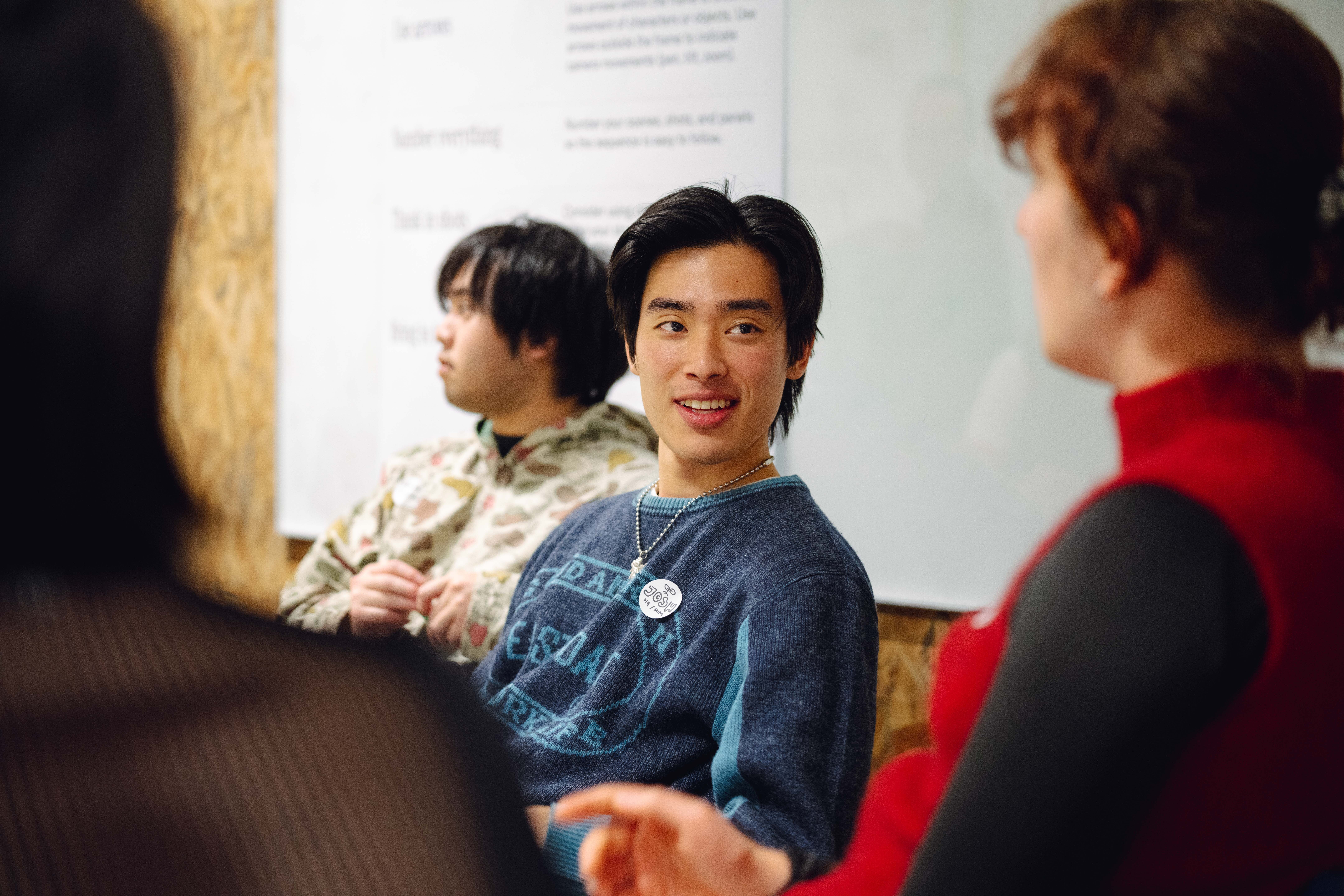
Josh (Juniper Care), Musician, he/him
Aiming for the work, not the algorithm
Hunter: How does the intersection of product and idols affect your practice? What are you aiming for?
Isabel: I’m just making music, honestly. I enjoy the art of it. I really appreciate all the culture and the way it connects people, and I want to be a part of that. It’s a marathon, not a sprint for me. I’ve been participating in the Melbourne music scene for ten years already, and I’m 24. I’m going to spend another thirty at least before I go anywhere. I take influences from so many places—the history of music is a continuum, on a timeline, but also on a map. As someone who has heritage in South America, I’m pulling from that. So much Latin American music is influenced by African percussion because of the slave trade. You can really obsess over this stuff. If someone listens to my music and finds something through me, it’s not about me at all. Never has been.
Juniper Care: That’s why I’m drawn to Isabel’s work. You can detect authenticity—it’s very transparent when you see someone doing it with love of the game. She’s not trying to be big. She’s trying to be good. That’s pretty punk, pretty sincere. I hate it when artists focus more on social media than on their work.
Isabel: It’s not even that I’m bad at it—I just don’t prioritise it. I prioritise making good music over literally everything. I have so many cameras. I’ve tried making content. But I can either be the person doing the thing, or I can film and edit the person doing the thing. I can’t do both.
Juniper Care: If I had the money, I’d hire Chewie to do it for me.
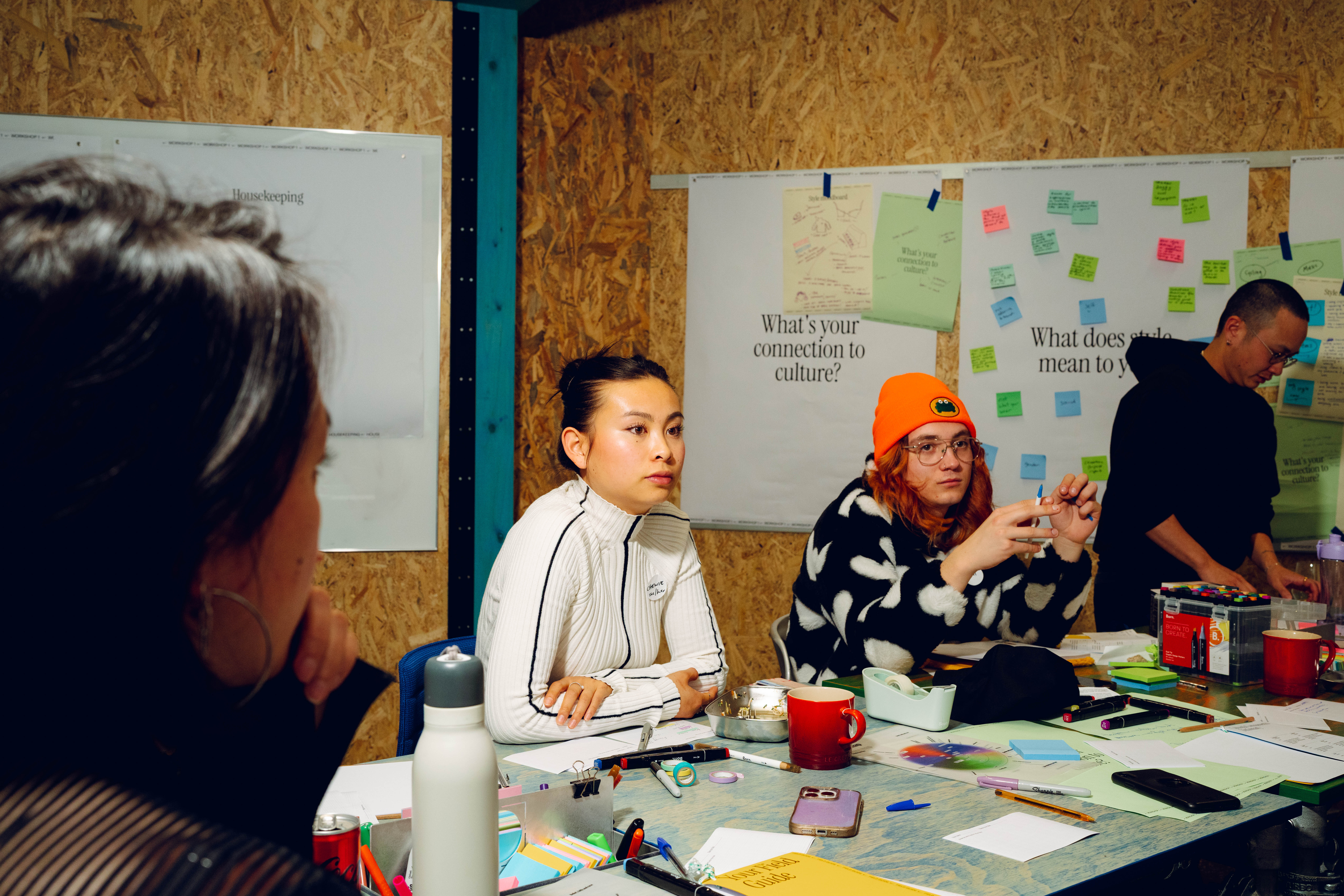
Chewie, Content Creator, she/her
On sustainability and not maxing
Hunter: Chewie, how long do you see yourself doing this? Is it a forever thing?
Chewie: I don’t know—social media is so relevant right now, but I don’t know where it’s going in the future. I’m really into acting, so being on social media makes it easier for someone making a film in the US or anywhere in the world to find me. I’ll probably be on social media for a while, sharing things I’m into, to break into that industry.
Isabel: If I could just make money making music here and selling it through Bandcamp, I’d play fifty per cent less gigs. I’d do it for fun. I’d be in this room all the time making music—that’s what I like to do.
Juniper Care: It’s not about wealth, it’s about sustainability—how steady and readily we can make what we want to make.
Chewie: Can I add that the more skills, especially creative skills, you have, the better? I also want to get into music production. I think the broader your skill set, the better.
Isabel: Can I push back a little? Not that I disagree—if you want to pursue it, pursue it. But it’s also important to have people who are really specialised. There’s your GP, and there’s your neurosurgeon. Neither is less valid, but it’s not inherently better to know a broader range of things. It’s how you want to invest your time.
Juniper Care: It comes from a good place—and this goes back to a trend I really don’t like: the maxing. China maxing. Life maxing. Health maxing. The most is not better. We should be refining something. A really good porcelain maker, or a really good barista who is genuinely good at making coffee—you’ll remember that coffee. The most finite and most valuable resource you have is time, and the second is energy. The moment you divert that to something else, there’s an opportunity cost. I do see both sides. But there’s a point where you say, “I’ve gotten pretty good at this one thing, let me taste-test some other stuff,” or, “I’ve been taste-testing for years, let me actually pick a taste.”
Isabel: A hundred per cent. It’s a spectrum.
Chewie: I’m just a girl who wants to try everything.
Isabel: Slay. But do it because you want to, not because you’re a content creator and you have to do the most. You’re your own person—you can just do whatever you want. Let’s start free-will maxing, low key.
Juniper Care: No maxing. No maxing.
Hunter Lee, Senior Strategic Designer, Today, he/him
Power, platforms and the social media landlord
Hunter: Do you think much about who holds the power in your areas?
Juniper Care: A hundred per cent. I’ve been thinking about power a lot in the past couple of years—this acceleration of the disparity of power in the world. Whether that’s technocratic, autocratic, institutional, social, or even parental. The moment you’re growing up with parents, you’re learning power dynamics, whether you realise it or not. Why DJing is such a relief from the world is because when we all nod to a beat, we realise we’re pretty much the same. That’s comforting.
If TikTok went down in the US for a month, what would you do, Chewie?
Chewie: I immediately got RedNote so I could divert my audience.
Juniper Care: Okay, and then Xi Jinping says, “Actually we’re only available in China.”
Chewie: Then I’d go on Instagram. I’d find a way somehow.
Juniper Care: Right. So ultimately, you’d realise—how do I reach the people themselves, instead of circumventing all of this? It’s like I’m renting.
Isabel: Renting is a great metaphor. My Instagram is my portfolio. I’m not great at marketing, but it’s where people see what I’m about. If it got shut down, I’d be sweating.
Juniper Care: Zuckerberg the landlord can just go, “No, take this back.” And you realise—without it, how much am I?
Hunter: Just to be clear for the old person in the room: social media is the landlord, and we’re all renting from social media?
Juniper Care: Social media is the house. Tim Cook, Susan Wojcicki, Zuckerberg—they’re top-dog landlords. We’re all tenants, whether you’re a user or a creator. Actually worse if you’re a creator, because then you’re paying.
But I do think that power and impact are separate. People with impact are young people. The youth are always the brightest, the most open-minded. You have the biggest impact because you will become the people who have power. The ones in power are only on their way out.
Who should we follow?
Hunter: Final question—who should we follow? Other than you.
Isabel: I’m not a big social-media girlie. I’d just say local people. Your friends. Support your friends making things. Cool stuff that you like.
Chewie: If you’re going to follow someone big, follow people who are aware of the industry—not just, “Yeah, I spent a hundred grand at Coachella.” I really like Emma Chamberlain because she’s humble. She has good taste in fashion, different perspectives on art, and she’s not just following trends. People like her are who I look up to.
Hunter: Beautiful way to end. Thanks for joining us.