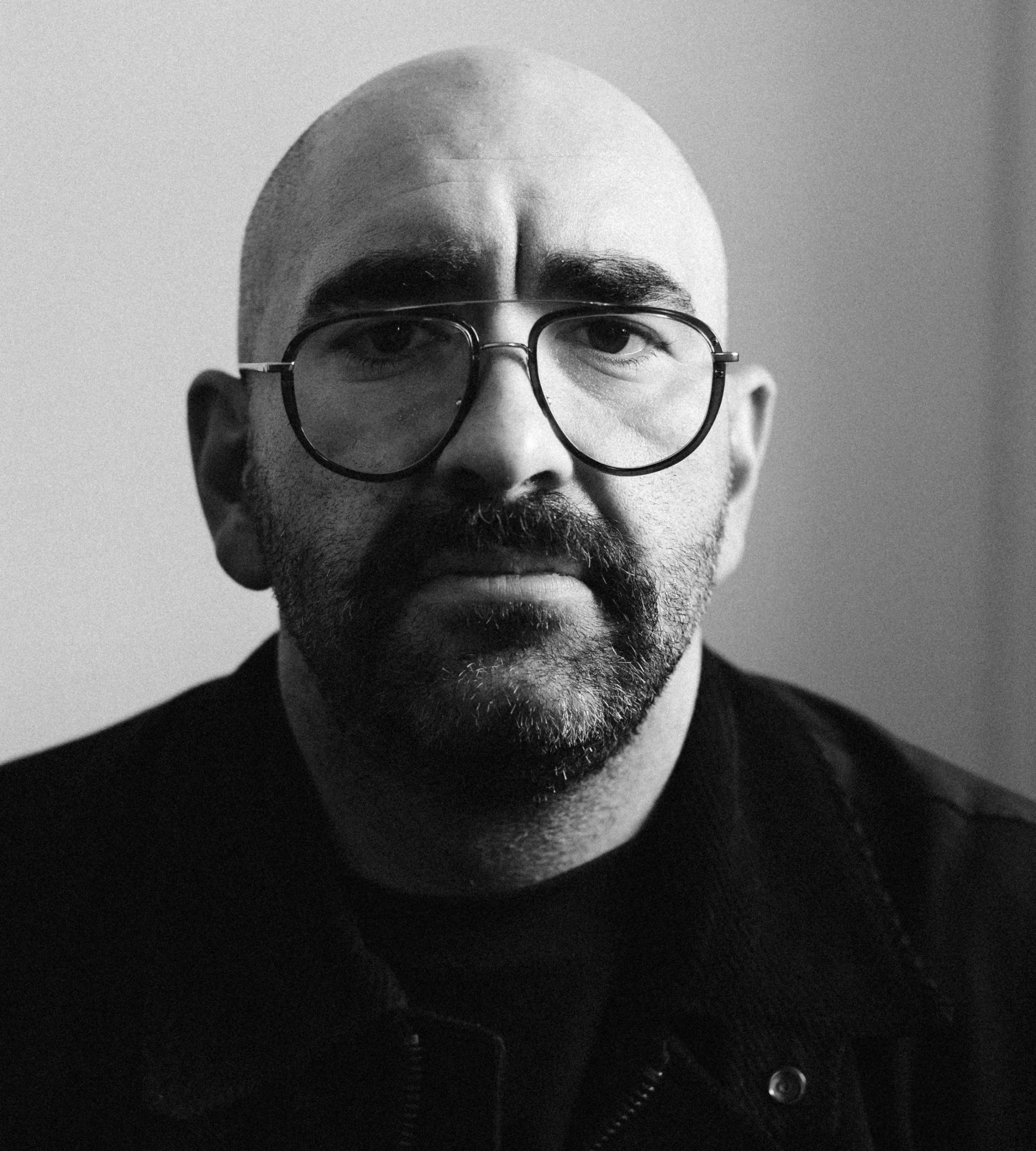
What does social cohesion actually mean—and are politicians using the term correctly? Kosta Lucas, researcher, teacher and longtime practitioner in countering violent extremism, thinks we might be getting it wrong. Violence, he suggests, is essentially the opposite of creativity— “subtractive, destructive, an absence of imagination.”
In a wide-ranging conversation with Mark Davis, he unpacks polarisation, the limits of political language, and why communities still give him the most hope.
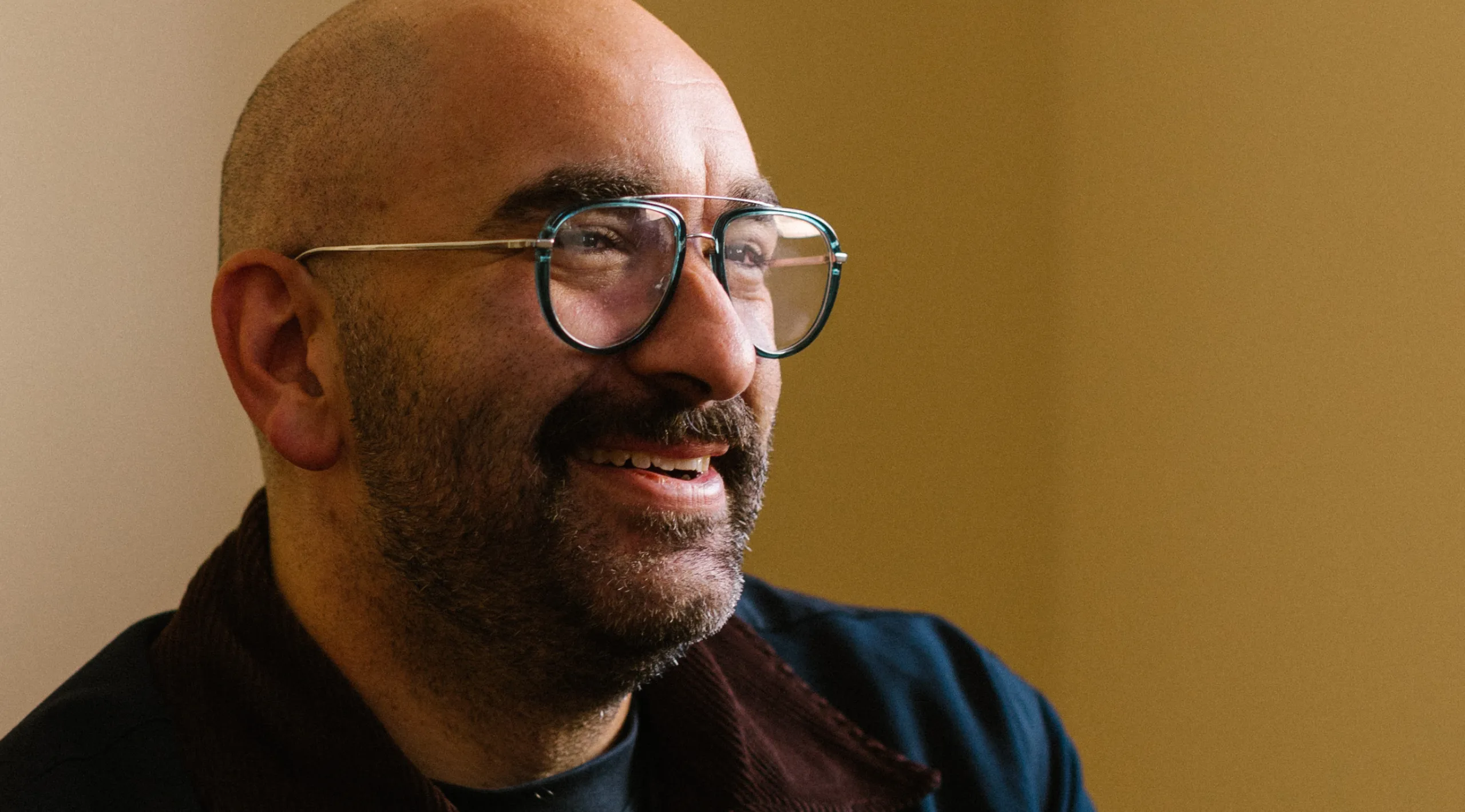
How does a society accommodate for its most vulnerable? As a social justice academic, the imperative is to always look at how a society is designed, from the point of view of the most vulnerable. And understanding, okay, who are the people with the least access to resources or who can’t access as quickly, or fairly or as consistently?
Kosta Lucas
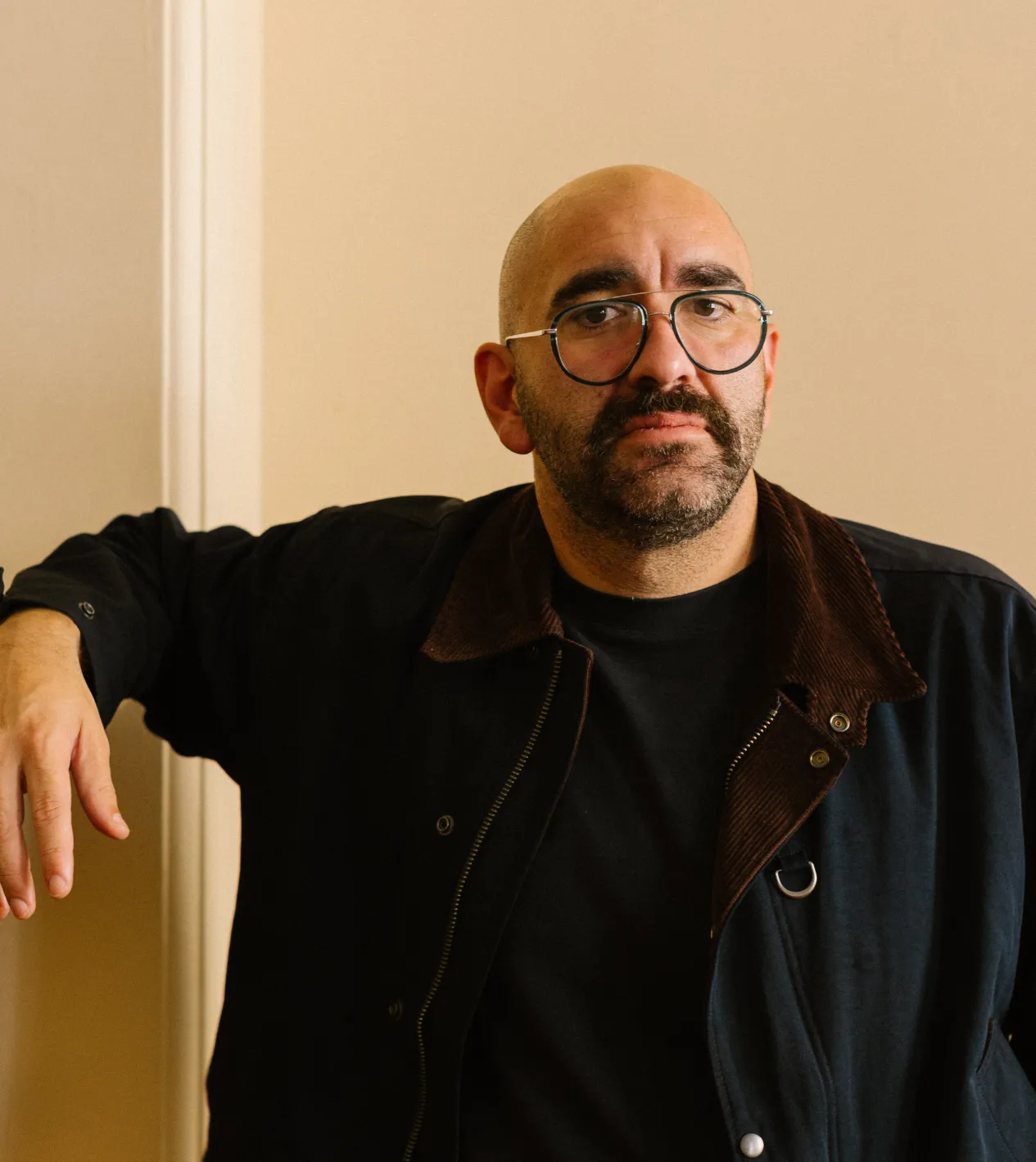
We can’t forsake the human connection part of it. When we’re talking about resilience and cohesion, that’s a really big adhesive quality, to feel connected to and an affinity with the people that you’re participating in the shared social project of life with.
Kosta Lucas
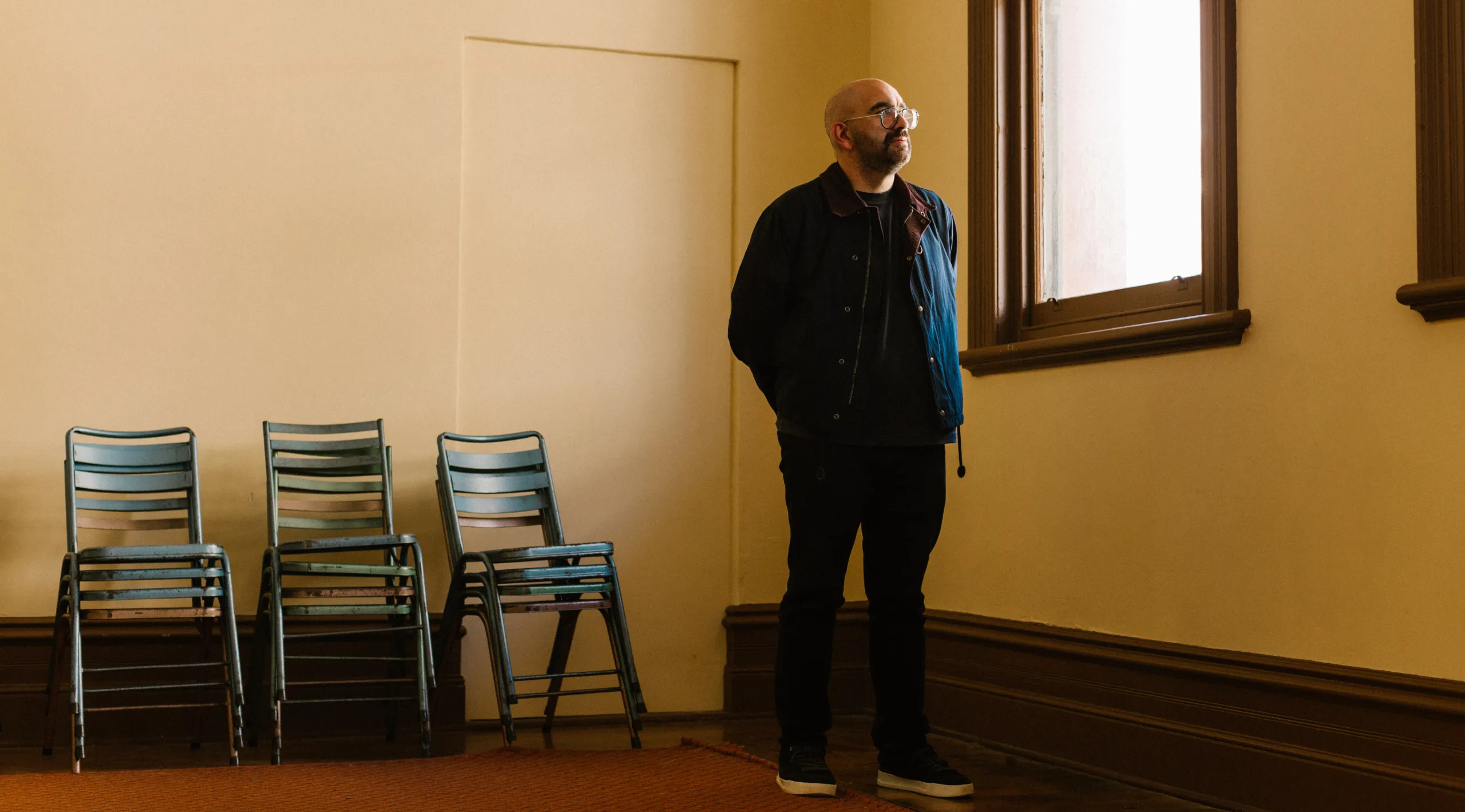
I think of social cohesion as a system’s ability to accommodate meaningful difference and continue to move forward in one direction, together, enough. Because one person’s idea of a good life is not the same as someone else's, but is it within the same ballpark?
Kosta Lucas
Kosta provides specialist expertise in community engagement and social research, especially in fraught and complex subject matters. He is an experienced researcher and practitioner in preventing and countering violent extremism, peacebuilding and conflict resolution.
To date, Kosta’s work has included advising and developing programs for Meta, Google, YouTube, the United Nations, as well as various Australian government agencies—focusing on extremism, societal polarisation and pro-social civic engagement.
He led Counterbrace, a community engagement practice and specialist division of strategy and design firm DrawHistory, which created opportunities for meaningful conversations about pressing societal issues.
Currently, Kosta is a Lecturer at the University of Notre Dame Australia in Fremantle, WA, where he coordinates the Social Justice Major, integrating his extensive field experience into course design and delivery. Kosta’s doctorate centres on conducting research that seeks to illuminate the ‘justice sensitivities’ of violent extremist actors.