Join us for an exploration of how the most impactful design solutions emerge when you centre real people in the project.
This session takes you behind the scenes of Good Design Awards recognised projects to reveal how inclusive design practices are reshaping industries and communities.
We offer a rare window into the methodologies, challenges, and breakthroughs that define truly inclusive design. Whether you're a designer, strategist, policy writer, program designer or changemaker, you'll get actionable insights for putting human-centred approaches at the heart of your work.
Speakers
- Tess Whelan, Project Advisor, Our Watch
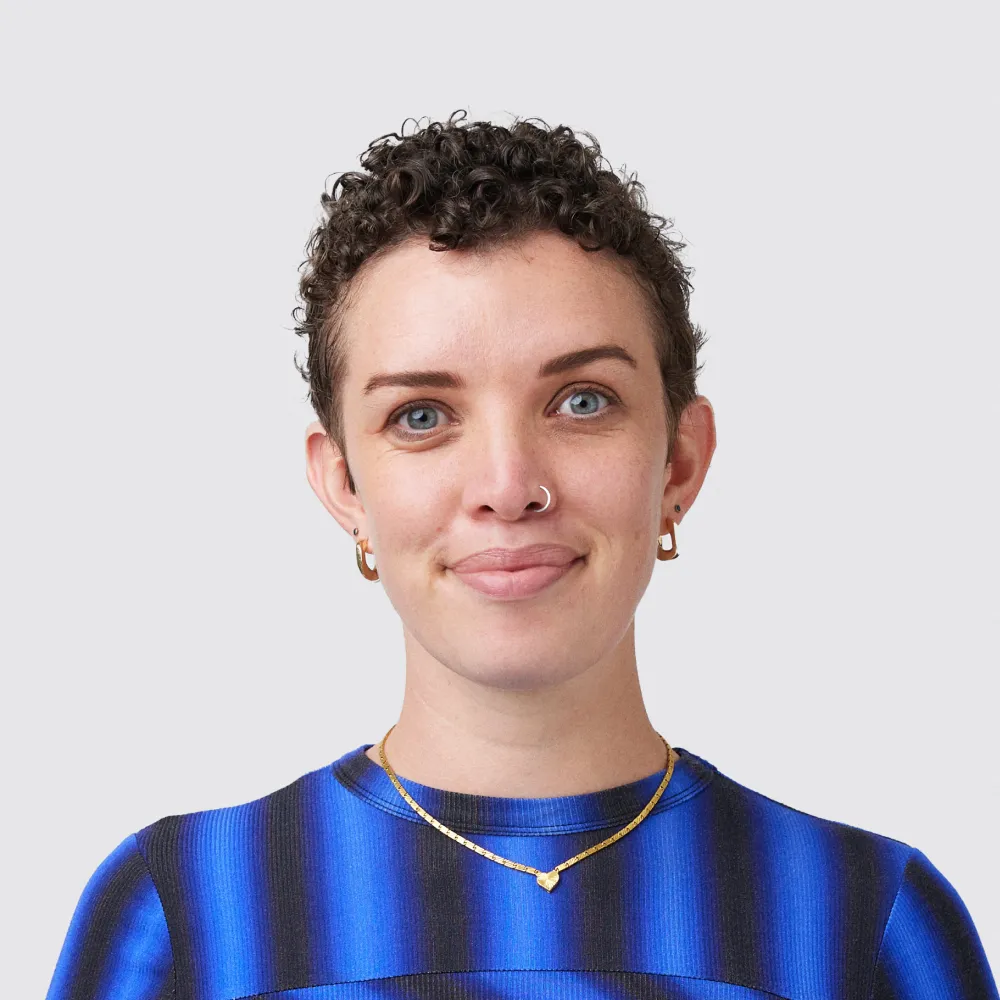
- Lena Molnar, Research and Evaluation Lead, Women with Disabilities Victoria
- Dr Ben Shelton PhD, Student Systems and Business Enablement, University of Newcastle
- Cordelia Prangley, User Experience Specialist, University of Newcastle
- Facilitated by Athalia Foo, Content Strategist and Designer at Today
What we cover:
- Our speakers share compelling case studies demonstrating how lived experience transforms not just outcomes, but entire approaches to problem-solving.
- Explore the critical process of challenging assumptions about audiences and their needs.
- Learn practical strategies for moving from "what we think people want" to "what people actually need".
Changing the landscape with Our Watch and Women with Disabilities Victoria
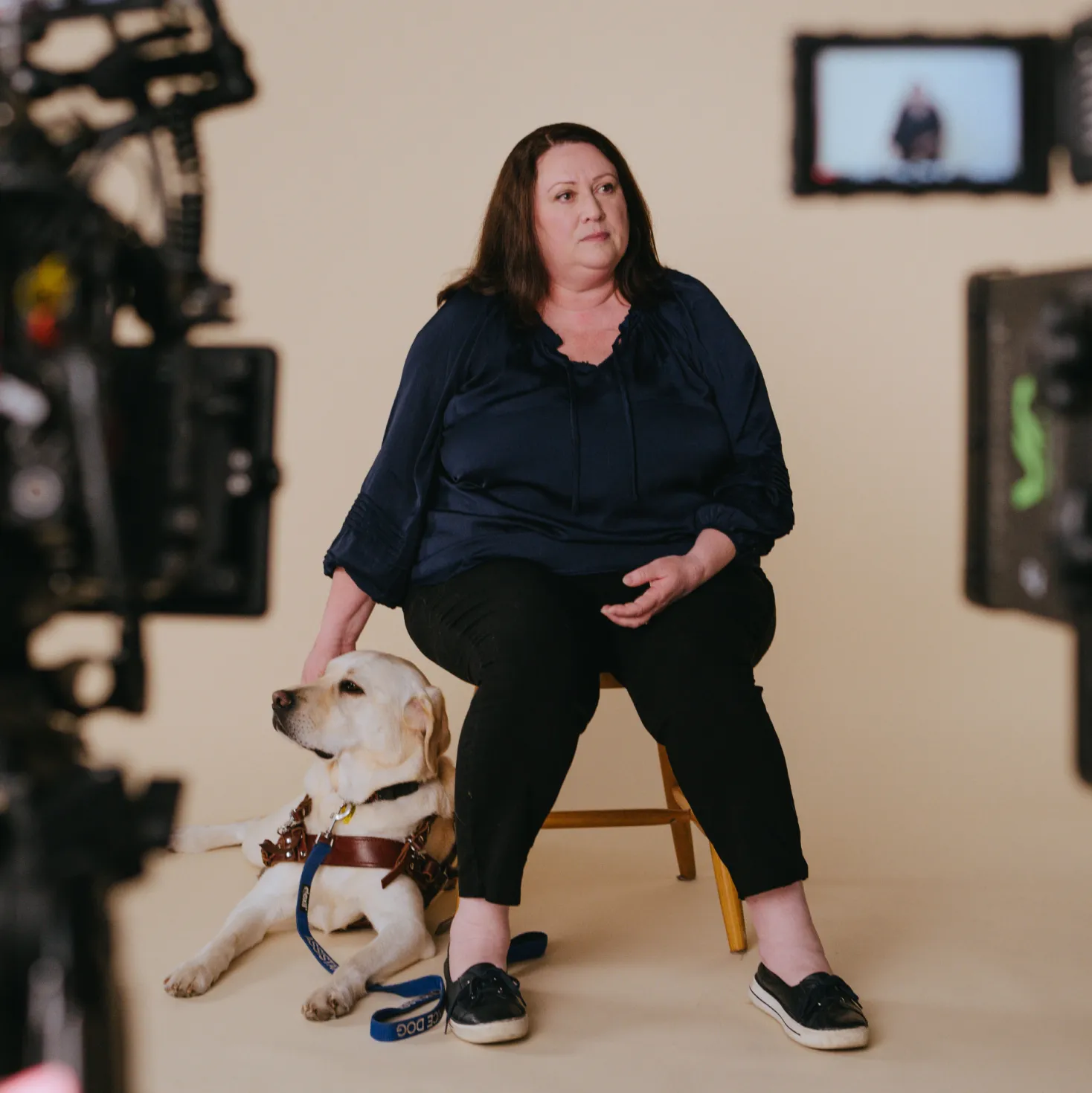
The "Changing the landscape" campaign content transforms a complex framework on preventing violence against women with disabilities into accessible, multi-format resources. Co-designed with women with lived experience, the educational materials empower disability support and violence prevention specialists to address social and systemic challenges faced by women with disabilities.
Helping students feel connected and in control of their learning with University of Newcastle
For first-time students, complex university administration systems can be an overwhelming and degree-altering experience, particularly if you’re relocating from a remote area or have a low socioeconomic status. Through mixed-method research and student-centred storytelling, we imagined a desired future—where students feel connected, supported and in control of their studies.